


Why More Jewelry Brands Are Switching to Stainless Steel Jewelry Manufacturing
The global jewelry industry is undergoing a significant transformation. While gold and silver remain important materials, an increasing number of jewelry brands are turning to 316L stainless steel jewelry manufacturing to meet evolving consumer expectations.
From fashion startups and DTC brands to established retailers, stainless steel jewelry has become one of the fastest-growing categories in the market. Its durability, affordability, sustainability, and design flexibility make it an attractive option for both manufacturers and consumers.
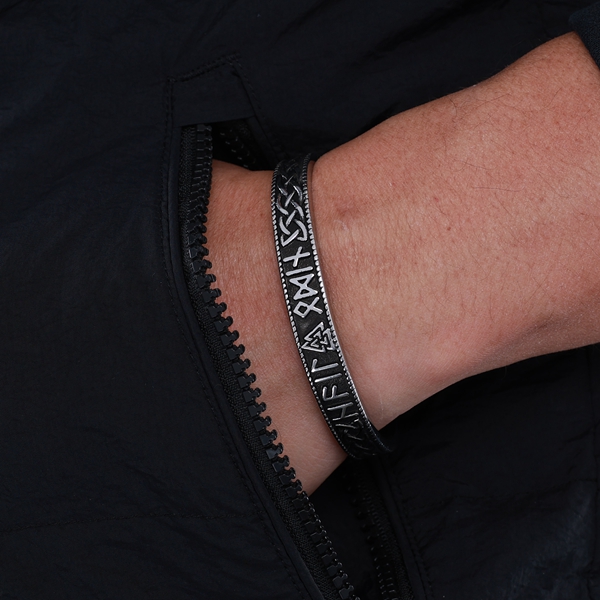
In this article, we'll explore why more brands are making the switch, what advantages stainless steel offers, and how working with an experienced jewelry manufacturer can accelerate business growth.
The Evolution of Jewelry Manufacturing
For decades, fashion jewelry primarily relied on zinc alloy, brass, sterling silver, and precious metals. While these materials remain popular, they also present challenges such as:
Rising raw material costs
Tarnishing and oxidation
Frequent maintenance requirements
Shorter product lifespan
Allergy concerns among consumers
As customer expectations evolve, brands are searching for materials that combine beauty, durability, and affordability.
This shift has positioned stainless steel as one of the most practical solutions available today.
What Makes 316L Stainless Steel Different?
Not all stainless steel is suitable for jewelry production.
Most professional manufacturers utilize 316L surgical-grade stainless steel, which offers superior corrosion resistance and skin compatibility.
| Property | 316L Stainless Steel | Brass | Zinc Alloy |
|---|---|---|---|
| Corrosion Resistance | Excellent | Moderate | Low |
| Hypoallergenic | Yes | Limited | Limited |
| Durability | Excellent | Good | Moderate |
| Tarnish Resistance | Excellent | Low | Low |
| Maintenance Required | Minimal | Frequent | Frequent |
These advantages explain why many modern jewelry collections now feature stainless steel as their primary material.
Consumers Want Jewelry That Lasts
Today's consumers are increasingly focused on value.
Rather than purchasing inexpensive products that quickly deteriorate, customers want jewelry capable of withstanding daily wear.
Stainless steel jewelry offers:
Scratch resistance
Water resistance
Sweat resistance
Corrosion protection
Long-lasting shine
For active lifestyles, travel, fitness, and everyday use, stainless steel often outperforms many traditional fashion jewelry materials.
The Rise of Private Label Jewelry Brands
The growth of Shopify stores, Amazon sellers, TikTok brands, and Instagram influencers has created enormous demand for private label jewelry manufacturing.
Many startups seek:
Low MOQ production
Fast product development
Custom logo engraving
Unique packaging solutions
Reliable product quality
Stainless steel manufacturing is particularly well-suited for private label projects because it balances affordability and perceived value.
Customization Opportunities Continue to Expand
One common misconception is that stainless steel limits design creativity.
Modern manufacturing technologies now allow extensive customization.
Popular Customization Options
Laser engraving
Custom logos
Name NECKLACES
Photo pendants
Custom charms
PVD gold plating
Black plating
Rose gold finishes
Stone setting
These capabilities enable brands to develop unique collections while maintaining manufacturing efficiency.
Sustainability Is Influencing Buying Decisions
Environmental awareness continues to impact consumer purchasing behavior.
Compared with many disposable fashion accessories, stainless steel jewelry offers:
Longer product lifespan
Reduced replacement frequency
Recyclable material properties
Lower long-term environmental impact
As sustainability becomes a competitive advantage, brands increasingly highlight durability and longevity as key selling points.
Popular Stainless Steel Jewelry Categories in 2026
Cuban Chains
One of the most searched jewelry categories worldwide, particularly among younger consumers.
Viking Jewelry
Strong demand continues across North America and Europe.
Cross Necklaces
A consistently strong seller with broad consumer appeal.
Pearl Jewelry
Combining stainless steel with pearls has become a growing trend in contemporary jewelry design.
Personalized Jewelry
Custom nameplates, initials, and engraved pendants continue generating high profit margins.
How OEM Jewelry Manufacturers Support Brand Growth
Choosing the right manufacturing partner can significantly impact product quality and scalability.
Professional OEM jewelry manufacturers typically provide:
CAD design services
3D prototype development
Private label packaging
Quality inspections
Mass production management
Global shipping solutions
Working directly with an experienced manufacturer reduces costs, improves communication, and accelerates product launches.
Why Global Buyers Choose Chinese Jewelry Manufacturers
China remains one of the world's largest jewelry production hubs.
Advantages include:
Mature supply chains
Advanced production equipment
Competitive manufacturing costs
Flexible MOQ options
Fast sample development
Experienced engineering teams
Brands seeking scalability often partner with specialized factories capable of handling both prototype development and large-volume production.
Internal Resources for Jewelry Brands
Industry References
Conclusion
The continued rise of stainless steel jewelry reflects broader changes within the global jewelry market. Consumers increasingly prioritize durability, affordability, customization, and sustainability—all areas where stainless steel excels.
For brands looking to launch or expand product lines in 2026, partnering with an experienced stainless steel jewelry manufacturer offers a powerful combination of design flexibility, production efficiency, and long-term growth potential.
As trends continue to evolve, stainless steel jewelry is likely to remain one of the industry's strongest-performing categories for years to come.
