


Modern Jewelry Engineering Behind High-Precision Stainless Steel Components in Contemporary Accessories
In today’s global fashion and industrial supply chain, jewelry is no longer only about appearance. It has become a field driven by material science, precision machining, and surface engineering. Manufacturers like Leimisi are integrating CNC technology and advanced finishing systems to deliver durable, aesthetic, and high-performance jewelry components.
From minimalist stainless steel RINGS to modular bracelet systems, the evolution of jewelry manufacturing reflects a shift toward engineering-grade precision. This article explores how modern processes are reshaping accessory production and why stainless steel has become one of the most widely used materials in global jewelry design.
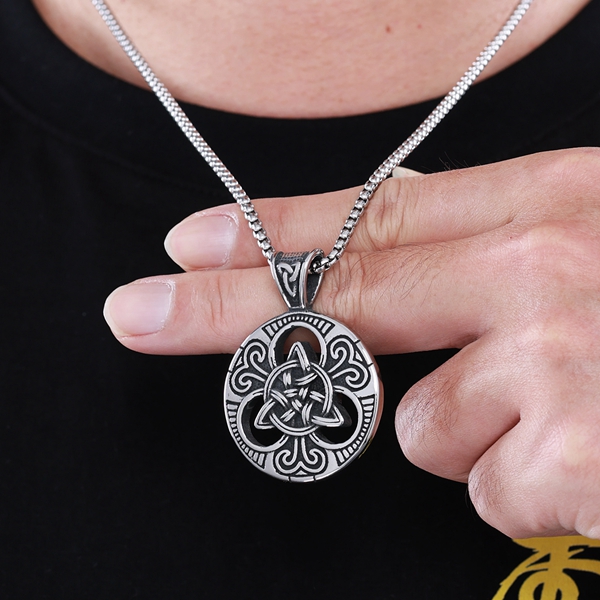
1. The Rise of Engineering-Based Jewelry Manufacturing
Traditional jewelry making relied heavily on manual craftsmanship. However, modern production increasingly depends on CNC machining, vacuum casting, and laser cutting systems. These technologies ensure micron-level accuracy, especially for stainless steel and titanium-based components.
According to general industrial references such as CNC machining principles, automated manufacturing allows repeatability, structural stability, and cost efficiency—critical for mass-market jewelry production.
2. Why Stainless Steel Dominates Modern Jewelry Applications
Stainless steel has become a preferred material in global accessory production due to its corrosion resistance, affordability, and mechanical strength. In particular, 316L surgical-grade stainless steel is widely used in wearable accessories.
High resistance to oxidation and corrosion
Hypoallergenic properties for sensitive skin
High tensile strength for structural durability
Cost-effective compared to gold or platinum
More technical details about stainless steel can be referenced from Stainless Steel Overview.
3. Precision Manufacturing Process Overview
At industrial production level, jewelry manufacturing involves multiple controlled steps. Below is a simplified process used in modern factories like Leimisi’s production line.
| Stage | Process Description | Technology Used |
|---|---|---|
| Design Modeling | 3D CAD modeling for structural accuracy and styling | Rhino / SolidWorks |
| Prototype | Rapid prototyping for form validation | 3D Printing / Wax Modeling |
| CNC Machining | High-precision cutting and shaping | 5-axis CNC systems |
| Surface Finishing | Polishing, brushing, sandblasting | Automated polishing lines |
| Coating Treatment | Color plating and anti-scratch coating | PVD / Electroplating |
4. Surface Engineering: The Hidden Value of Jewelry
Surface treatment is one of the most important factors in determining both the appearance and durability of jewelry. Techniques such as Physical Vapor Deposition (PVD) coating significantly enhance scratch resistance and color stability.
PVD technology is also widely used in aerospace and automotive industries, which highlights its reliability in demanding environments.
Mirror polishing for luxury shine
Matte brushing for minimalist design
Sandblasting for industrial texture
PVD coating for color durability
5. Application Scenarios of Modern Stainless Steel Jewelry
Modern jewelry is no longer limited to fashion accessories. It is increasingly integrated into lifestyle, branding, and even functional design systems.
Fashion accessories (rings, NECKLACES, bracelets)
Corporate gifting and branding products
Smart wearable component housing
Minimalist lifestyle design collections
In design theory, jewelry also intersects with industrial design and material culture, as discussed in Industrial Design Concepts.
6. Material Specification Reference
Below is a typical stainless steel jewelry component specification used in precision manufacturing environments:
| Parameter | Standard Range |
|---|---|
| Material | 316L / 304 Stainless Steel |
| Hardness | HRB 70–95 |
| Surface Finish | Mirror / Matte / Brushed / PVD Coated |
| Tolerance | ±0.01mm (CNC precision parts) |
| Color Options | Silver / Gold / Black / Rose Gold |
7. Manufacturing Advantage of Leimisi
As a professional jewelry manufacturing supplier, Leimisi focuses on combining design flexibility with industrial-level precision. The production system is optimized for both OEM and ODM orders, supporting global clients in fashion and retail industries.
High-precision CNC machining capability
Custom design development support
Stable batch production quality control
Flexible surface treatment options
Explore more product categories on our Product Center or learn about customization services on our Customization Page.
8. Conclusion: Where Engineering Meets Aesthetic Value
Modern jewelry production represents the convergence of engineering precision and artistic design. With advanced CNC systems, surface engineering technologies, and material innovation, manufacturers like Leimisi are redefining what jewelry means in the global market.
The future of the industry will continue to move toward modular design, sustainable materials, and highly customizable production systems—bridging the gap between industrial manufacturing and personal expression.
